METRONEWS
© New Zealand Broadcasting School 2026

Large number of greyhounds expected to need rehoming

Lily McCurrie
Generic Action
GAP have seen an increase in adoption applications since the announcement of the ban.  Dave Robbie

The pressure is on for a national greyhound rehoming mission.

Around 1700 greyhounds are expected to need new homes with the upcoming ban of greyhound racing starting in August. 

In April this year, the legislation to ban commercial greyhound racing in New Zealand became law, 75% of the public backed the move.

The waiting list has been getting longer with more greyhounds being deregistered, according to Lisa Philp, Manager of Greyhounds as Pets (GAP).

“The numbers coming to us are staying the same because we always have maximum capacity.”

Philp said the biggest challenge for GAP is ensuring they’ve got the right resources to safely rehome the expected numbers of dogs.

"That includes staffing, foster homes, kennel capacity, volunteers, transport, and the ability to run adoption events and public engagement activities.

"Rehoming at this scale requires a significant amount of coordination and community support."

As for the dogs who aren't rehomed quickly, Philp said she isn’t concerned.

“We’ll continue rehoming for as long as necessary until all the dogs have been appropriately placed.”

“Our focus is just making sure every greyhound has the opportunity to find a safe and suitable home.

IMG 4253 optimized 2000
GAP frequently host events where the public can meet and learn more about greyhounds. Supplied by Lisa Philp

Fostering provides a temporary place for greyhounds to live, helping prepare them for their forever home.

Philp said they are always in need of more foster carers and encourages members of the public to spend more time meeting greyhounds in person.

“They’re critical, and some of the dogs need a bit more time to acclimatise to living in a home environment as opposed to a kennel environment.”

“People have misconceptions about them, and I haven't met a single person that hasn’t patted their first greyhound and said, 'Oh, they’re so soft and calm.'

“They’re incredibly loving, gentle, and low maintenance…and extremely lazy.

“They can be a bit quirky, and that’s part of their charm.”

IMG 4156 optimized 2000
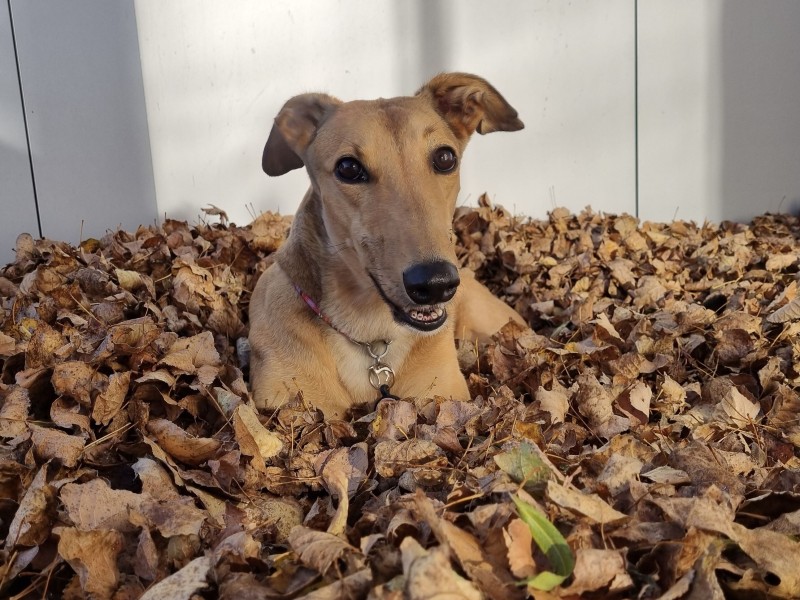
Laura the greyhound. Supplied by Vicki Wilson

Vicki Wilson, a foster parent for GAP in Christchurch, has two greyhounds of her own and is currently fostering Laura.

“Laura came in, and she was probably the first dog that we’ve had that really challenged me…she was like a bull in a china shop.

“Saying that, she settled quite quickly, and oh my goodness, I just fell in love with her; she was just beautiful.”

Wilson said fostering is a rewarding experience for not only the dogs but the carers themselves.

“It’s just the look they give you.

“You know that they’ve had an upbringing that probably isn’t the typical dog’s upbringing…and when they look at you, it’s utter devotion.

“I think life after kennels and sort of being institutionalised, I can only imagine that one-on-one is a better experience for them.”

While the greyhound racing industry has been under increasing scrutiny over animal welfare concerns, Philp said there are misconceptions about how greyhounds are treated.

“I think it’s really important for people to know that the greyhounds in the racing industry are loved and cared for and very much not abused, and they’re definitely not rescue dogs.

“This is just the next stage in their life.”

However, the SPCA disagreed, claiming on their website a lack of accountability from the industry.

“Multiple independent reviews have revealed severe, ongoing animal welfare issues, including serious injuries, poor living conditions, and missing dogs. The most recent racing season saw  17 dogs die due to racing, making it the deadliest season since the industry was placed on notice. These findings confirm that greyhound racing has no place in modern New Zealand,” said SPCA Chief Scientific Officer, Dr Arnja Dale.

After years spent advocating for change, the SPCA welcomed the passing of the Racing Industry Amendment Bill, marking a new chapter for greyhounds.

“This is a truly historic moment for animal welfare in New Zealand. After years of advocacy, multiple damning reviews, and public concern, the ban has finally been made law.”