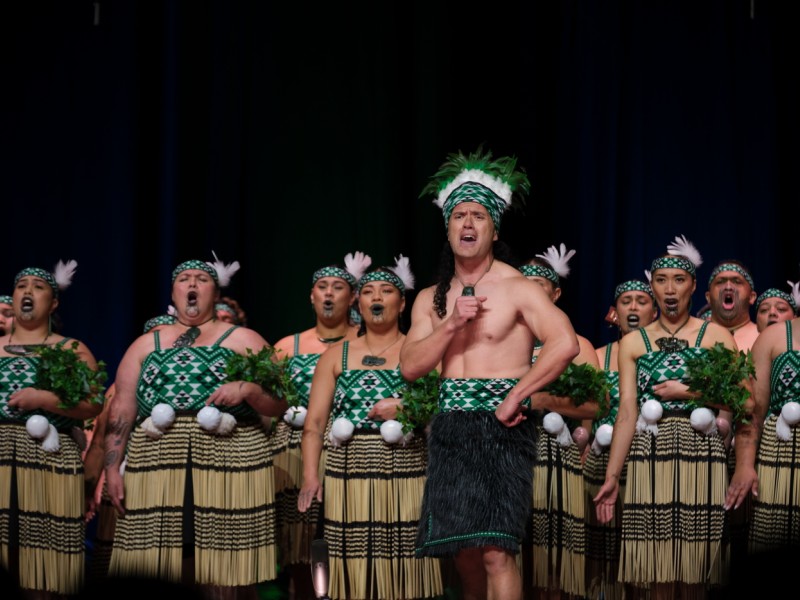
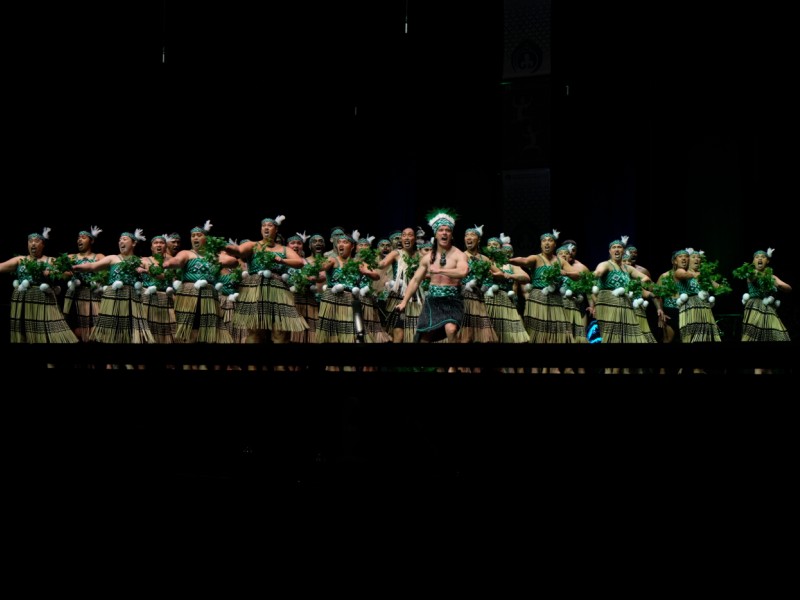
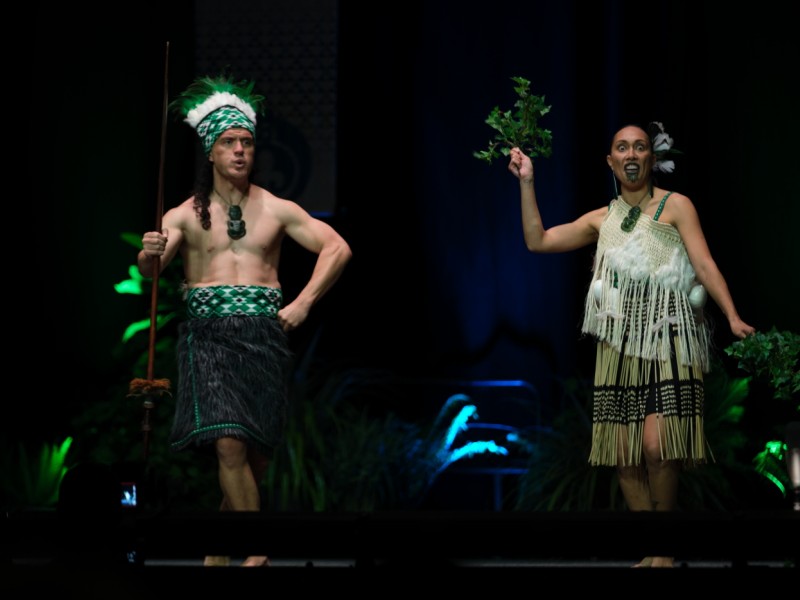
Despite their success, Tana said there is still room for growth.
“There has been a little bit of decline in the quality of kapa haka that we’ve been able to produce… I say that purely based on the outcomes at our national festival.
“...That is definitely something we want to contribute to…because there is a capability uplift that needs to happen within our group and across the rohe.”
For now, they’re taking a short break before planning for Te Matatini 2027.
“We’re looking forward to planning our debrief, our reflection and review, and having a bit of a celebration with our Tangiwai whānau in a week or two.”
Kōkō Tangiwai placed second after Te Ahikaaroa, a rōpū founded in 1993, also based in Ōtautahi.
“Congratulations to our mates, we’ve got heaps of whānau and friends in that team, so you know, elated and excited for them,” Tana said.
This year was also significant for rōpū Rukutia, who placed fourth and became the first rōpū from Otepoti to qualify for Te Matatini through Waitaha Regionals.
“We were all happy and standing and clapping when their name got announced.”